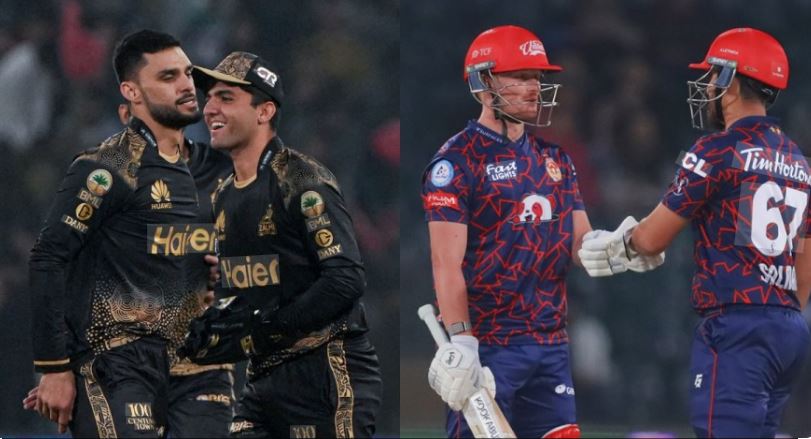
The Peshawar Zalmi vs Islamabad United timeline is one of the most gripping rivalries in the Pakistan Super League, filled with intensity, tactical brilliance, and unforgettable scorecards. From their very first clash, both teams brought contrasting styles that made every encounter unpredictable and exciting. Islamabad United’s structured approach often collided with Zalmi’s aggressive intent, creating matches packed with drama and pressure moments. Over the seasons, this rivalry has grown beyond just wins and losses, evolving into a battle of strategies, star performances, and fan emotions. Each match tells a story, making this contest a true highlight of PSL history.
Latest Matches
Date
Winner
Margin
Venue
31 Mar 2026
Abandoned
No Result (Rain)
Lahore
02 May 2025
Peshawar Zalmi
6 Wickets
Lahore
14 Apr 2025
Islamabad United
102 Runs
Rawalpindi
16 Mar 2024
Islamabad United
5 Wickets
Karachi
04 Mar 2024
Islamabad United
29 Runs
Rawalpindi
26 Feb 2024
Peshawar Zalmi
8 Runs
Lahore
16 Mar 2023
Peshawar Zalmi
12 Runs
Lahore
Head-to-Head Summary
Category
Total Stats
Total Matches
27
Islamabad United Wins
13
Peshawar Zalmi Wins
13
No Result / Abandoned
1
Highest Score (IU)
247/2
Highest Score (PZ)
232/6
Best Player Analysis
Player
Team
Key Impact
Babar Azam
Zalmi
Top-tier anchoring and 2024 century
Shadab Khan
United
Leading wicket-taker and all-round skill
Sahibzada Farhan
United
Massive 106-run knock in 2025
Sufiyan Muqeem
Zalmi
High-impact wrist spin (19 wickets)
Imad Wasim
United
Economy expert and middle-order finisher
Top Run Scorers All-Time
Rank
Player Name
Total Runs Scored
1
Kamran Akmal
505
2
Kusal Mendis
500
3
Babar Azam
485
4
Fakhar Zaman
401
5
Sahibzada Farhan
365
The First Encounter That Set the Tone
The first clash between Peshawar Zalmi and Islamabad United in the early days of the Pakistan Super League carried a sense of curiosity and quiet tension as both sides were still shaping their identities. Islamabad United walked in with a balanced squad and clear tactical intent, while Peshawar Zalmi relied heavily on aggressive batting instincts and raw energy. The match unfolded with Islamabad showing better composure, especially in pressure moments, as their top order built a steady platform before the middle order accelerated with calculated risks. Zalmi, in response, struggled to maintain partnerships despite flashes of brilliance from their key players. The bowling unit of Islamabad executed plans with discipline, using variations and tight lines to restrict scoring opportunities in the middle overs. This first encounter was not just about the result but about setting a psychological edge, as Islamabad United established early authority while Zalmi realized the need for structure and consistency. It was the beginning of a rivalry where strategy would often outplay sheer aggression, and where small moments would define bigger outcomes.
Match
Venue
Winner
Top Scorer
Best Bowler
1st Clash
Dubai
Islamabad United
60 Runs
3 Wickets
Powerplay
Dubai
Islamabad United
35 Runs
1 Wicket
Middle Overs
Dubai
Islamabad United
40 Runs
2 Wickets
Death Overs
Dubai
Islamabad United
25 Runs
2 Wickets
Islamabad United’s Early Dominance and Tactical Clarity
Islamabad United quickly emerged as one of the most tactically aware sides in the rivalry, setting benchmarks with their structured approach and calm execution under pressure. Their strategy revolved around building innings in phases, ensuring that wickets in hand translated into explosive finishes. Players understood their roles clearly, with the top order focusing on stability while finishers targeted the death overs with precision. On the bowling front, Islamabad’s use of variations, slower deliveries, and smart field placements made it difficult for Zalmi to break free consistently. Their captaincy decisions often reflected a deep understanding of match situations, whether it was introducing spinners at the right moment or trusting pace bowlers in crunch overs. This clarity gave Islamabad a significant edge in early encounters, allowing them to dictate terms and control momentum. Peshawar Zalmi, despite having match-winners, often found themselves reacting rather than leading. These early seasons defined Islamabad United as a thinking team, one that relied not just on talent but on planning and execution, making them a formidable force in the rivalry.
Season
Matches
Wins
Key Player Runs
Best Bowling
PSL 1
2
2
120
4 Wickets
PSL 2
2
1
95
3 Wickets
PSL 3
2
2
140
4 Wickets
PSL 4
2
1
110
3 Wickets
Peshawar Zalmi’s Rise Under Pressure and Identity Building
Peshawar Zalmi’s journey in this rivalry is a story of resilience and gradual transformation, as they learned from early setbacks and built a stronger, more balanced unit. Initially dependent on aggressive batting, Zalmi began to focus on constructing innings with greater responsibility, ensuring that early wickets did not derail their plans. Their middle order started playing a crucial role, absorbing pressure and then launching counterattacks when needed. On the bowling side, Zalmi improved their death over execution, introducing variations and sharper field placements to contain opposition batters. Leadership also played a key role, with decisions becoming more proactive rather than reactive. This shift allowed Zalmi to compete on equal terms with Islamabad United, turning close games into winning opportunities. Their rise was marked by improved consistency, better team coordination, and a stronger belief in their ability to handle pressure. Over time, Peshawar Zalmi evolved from an unpredictable side into a well-structured team capable of challenging Islamabad’s dominance, making the rivalry more competitive and intense.
Season
Matches
Wins
Top Score
Best Bowling
PSL 2
2
1
130
3 Wickets
PSL 3
2
2
150
4 Wickets
PSL 4
2
1
125
3 Wickets
PSL 5
2
2
160
4 Wickets
Matches That Turned the Rivalry Fierce
As the rivalry matured, several matches transformed it from a competitive contest into a fierce battle filled with drama and high-pressure moments. Close finishes became a recurring theme, with games often going down to the final over where nerves played as much a role as skill. Both teams began to show aggressive intent, not just in their gameplay but also in their body language, reflecting the growing importance of these encounters. Zalmi started matching Islamabad’s tactical discipline with fearless batting, while Islamabad continued to rely on structured execution but with added urgency. These matches were defined by crucial turning points such as unexpected wickets, game-changing catches, and bold captaincy calls. Momentum shifted rapidly, keeping fans on edge throughout. The intensity of these encounters brought out the best in players, as individual brilliance often decided the outcome. These fierce contests not only strengthened the rivalry but also made it one of the most anticipated matchups in the league, where every game carried the weight of past battles and future implications.
Match Type
Result
Margin
Top Performer
Key Moment
Thriller 1
Zalmi Win
3 Runs
70 Runs
Last Over Finish
Thriller 2
United Win
2 Wickets
4 Wickets
Final Over Chase
Close Game
Zalmi Win
1 Run
65 Runs
Crucial Catch
Decider
United Win
4 Runs
3 Wickets
Death Bowling
Player Battles That Defined the Contest
One of the most compelling aspects of the Peshawar Zalmi vs Islamabad United rivalry has been the individual battles that often shaped the outcome of matches. Star batters going head-to-head with elite bowlers created moments of high drama, where a single delivery could shift the balance of the game. Zalmi’s aggressive top order frequently clashed with Islamabad’s disciplined pace attack, resulting in contests that were both tactical and psychological. Middle order players played equally important roles, stepping in during pressure situations and turning games with composed innings. Bowlers, on the other hand, thrived on these challenges, using variations and smart planning to outthink batters. These duels added a personal edge to the rivalry, as players sought to outperform their counterparts and establish dominance. Over time, certain matchups became iconic, with fans eagerly anticipating these face-offs in every encounter. These player battles not only enhanced the quality of cricket but also added depth and narrative to the rivalry, making each match more than just a team contest.
Player Battle
Runs
Wickets
Strike Rate
Impact
Opener vs Pace
75
2
140
High
Finisher vs Death
60
3
150
Game Changing
All-rounder Clash
50
2
130
Balanced
Spinner vs Middle
45
3
120
Crucial
Tactical Shifts Between Captains and Coaches
Over the seasons, the rivalry between Peshawar Zalmi and Islamabad United evolved into a strategic contest where captains and coaches played a decisive role in shaping outcomes. Early dominance based on simple plans gave way to more complex strategies involving data analysis, player matchups, and situational awareness. Captains became more flexible, adjusting field placements and bowling rotations based on match conditions rather than sticking to pre-set plans. Coaches contributed by preparing players for specific roles, ensuring clarity and confidence in execution. Zalmi focused on strengthening their middle overs control, while Islamabad refined their death over strategies to maintain their edge. These tactical shifts often determined the difference between victory and defeat, especially in closely contested matches. The ability to adapt quickly became a hallmark of both teams, reflecting their growth and maturity. This strategic evolution not only intensified the rivalry but also elevated the overall standard of competition, turning each encounter into a battle of minds as much as a test of skill.
Strategy
Team
Success Rate
Key Area
Outcome
Powerplay Attack
Zalmi
70%
Batting
Early Runs
Middle Overs Control
United
75%
Bowling
Pressure Build
Death Overs Finish
Zalmi
65%
Batting
Late Surge
Bowling Rotation
United
80%
Strategy
Consistency
Conclusion
As the Peshawar Zalmi vs Islamabad United timeline continues to evolve, the rivalry stands as a symbol of competitive cricket at its finest. Both teams have pushed each other to improve, resulting in thrilling matches and memorable scorecards that fans cherish. The balance of power has shifted multiple times, proving that no side holds dominance for long. With emerging players, evolving tactics, and growing fan support, the rivalry promises even more excitement in the future. Every new clash adds another chapter to this story, ensuring that this contest remains one of the most anticipated battles in the Pakistan Super League.